
Tag: AI Governance
-
Why Now for AI Governance
Part I: From Board Oversight to Framework Foundations A vivid scenario + why governance of AI matters now The boardroom is blinking to life. The room is familiar – executive chairs, polished oak table, the CEO at the head, the board director faces turned to the projection screen. Your organisation has just piloted a new…
-
Why Responsible AI Is No Longer Optional
There is a quiet crisis unfolding in boardrooms and tech teams alike. Artificial intelligence is no longer just a toolkit for improvement, it’s rapidly becoming central to how organisations compete, create value, and interact with the world. Yet, for all its promise, AI’s risks remain widely misunderstood and, too often, left unmanaged. In this moment,…
-
NIST AI RMF vs ISO/IEC 42001
From Risk Principles to Auditable Practice Most organisations now realise that AI governance can’t be improvised. Risk registers, codes of conduct, and policy checklists aren’t enough, not when regulators, investors, and auditors are watching. What’s missing is coherence across frameworks. Two standards now dominate that space: the NIST AI Risk Management Framework (AI RMF) and…
-
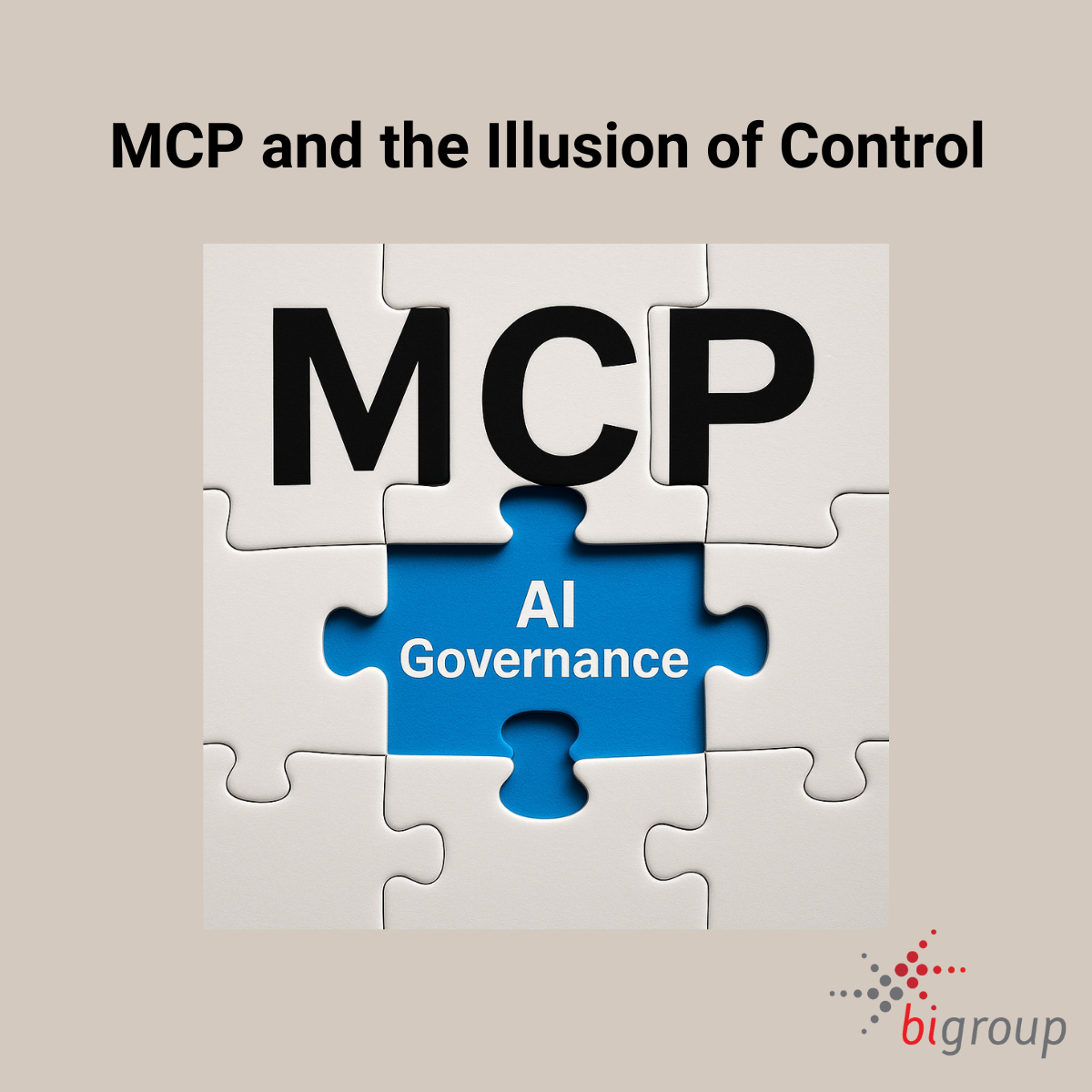
MCP and the Illusion of Control
We’re standardising the cables while the system rewires itself in real time. That’s what it feels like watching the current obsession with Model Context Protocol, or MCP. In 2025, this once-obscure specification has become the centre of attention for AI developers, compliance teams, and safety researchers. It’s been called “USB-C for AI”, a plug-and-play standard…
-
Governance is the missing layer in AI Agent design
The autonomy paradox Autonomous AI agents are no longer a speculative future, they’re already at work. From customer service bots that schedule appointments to internal copilots that automate documentation or code review, these systems are increasingly capable of making decisions and taking actions without any human intervention. This rise in autonomy brings clear benefits: speed,…
-
From Standard RAG to Agentic RAG
How Retrieval-Augmented Generation is evolving into Self-RAG and Agentic RAG Systems Retrieval-Augmented Generation (RAG) has become one of the most widely used techniques in enterprise AI systems. It combines large language models with external knowledge sources, enabling more grounded and context-aware outputs. For many applications, especially those involving static documents or FAQs, RAG offers a…
-
Agentic AI governance is now a business imperative
Enterprise AI has moved past assistants that wait for instructions. We are now dealing with systems that can pursue objectives independently, make decisions in real time, and act without being told. These are not chatbots or copilots. These are autonomous agents with the capacity to plan, adapt, and take initiative based on defined goals. In…
-
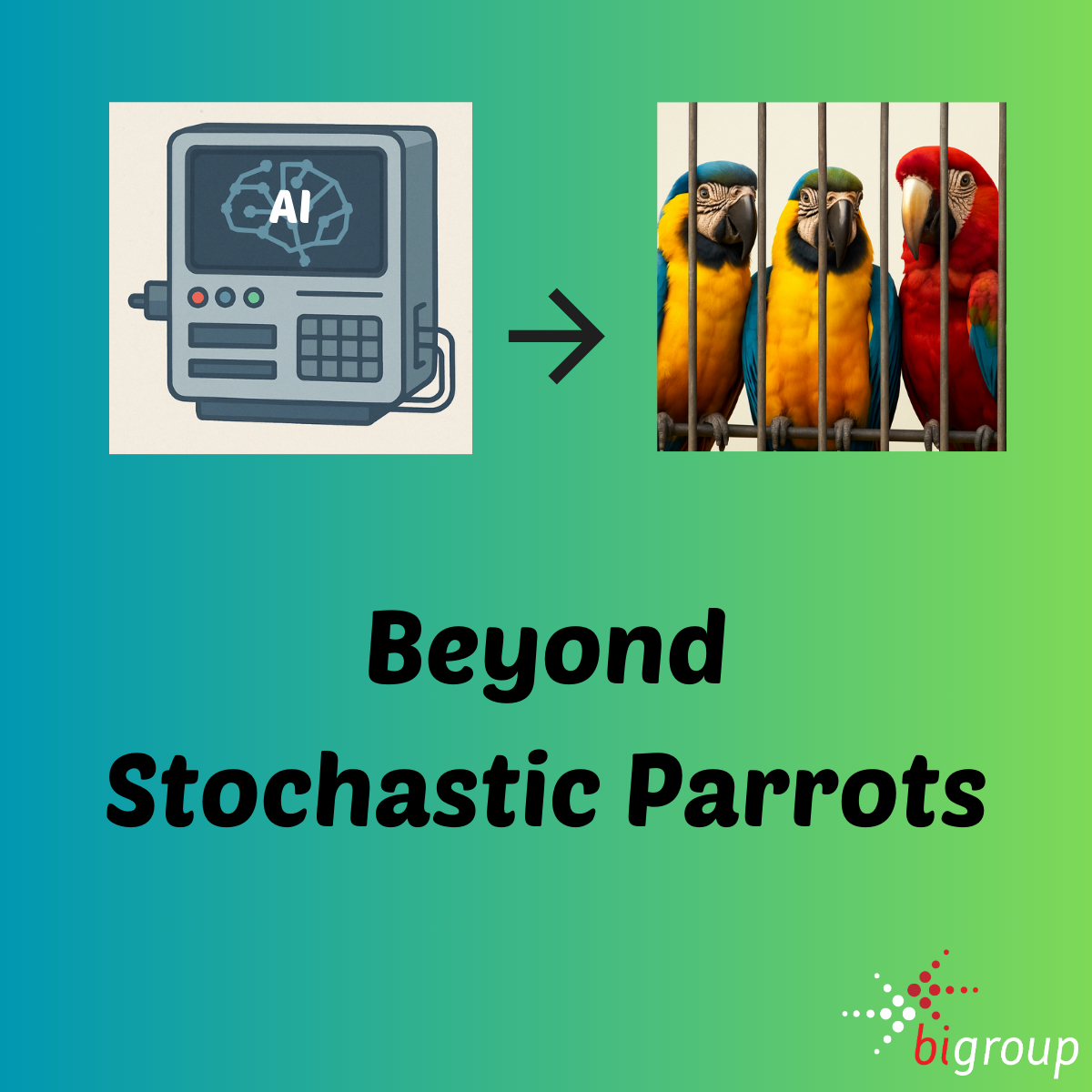
Stochastic parrots and the illusion of understanding in AI
Imagine a parrot that has learned to mimic human speech. It can repeat complex phrases in multiple languages, yet it has no idea what those words mean. In the world of artificial intelligence, researchers have drawn an analogy between such parrots and today’s large language models (LLMs). These AI systems – from autocomplete tools to…
-
How AI is shaping our behaviour and privacy
We wake up to the glow of a smartphone screen, check a flurry of overnight notifications, and scroll through an endless feed of updates before even getting out of bed. It’s a routine shared by billions, and it underscores how pervasive artificial intelligence (AI) and persuasive technology have become in our daily lives. On average…
-

MIT’s AI Agent Index: A Wake-Up Call for AI Governance?
The rise of agentic AI systems is reshaping the technological landscape. These AI models are capable of reasoning, planning, and executing complex tasks with minimal human oversight. Their integration into software engineering, robotics, and research opens new possibilities for automation, efficiency, and decision-making. However, these advancements also present serious challenges related to safety, transparency, and…