
Tag: ai compliance
-
Why Now for AI Governance
Part I: From Board Oversight to Framework Foundations A vivid scenario + why governance of AI matters now The boardroom is blinking to life. The room is familiar – executive chairs, polished oak table, the CEO at the head, the board director faces turned to the projection screen. Your organisation has just piloted a new…
-
Why Responsible AI Is No Longer Optional
There is a quiet crisis unfolding in boardrooms and tech teams alike. Artificial intelligence is no longer just a toolkit for improvement, it’s rapidly becoming central to how organisations compete, create value, and interact with the world. Yet, for all its promise, AI’s risks remain widely misunderstood and, too often, left unmanaged. In this moment,…
-
NIST AI RMF vs ISO/IEC 42001
From Risk Principles to Auditable Practice Most organisations now realise that AI governance can’t be improvised. Risk registers, codes of conduct, and policy checklists aren’t enough, not when regulators, investors, and auditors are watching. What’s missing is coherence across frameworks. Two standards now dominate that space: the NIST AI Risk Management Framework (AI RMF) and…
-
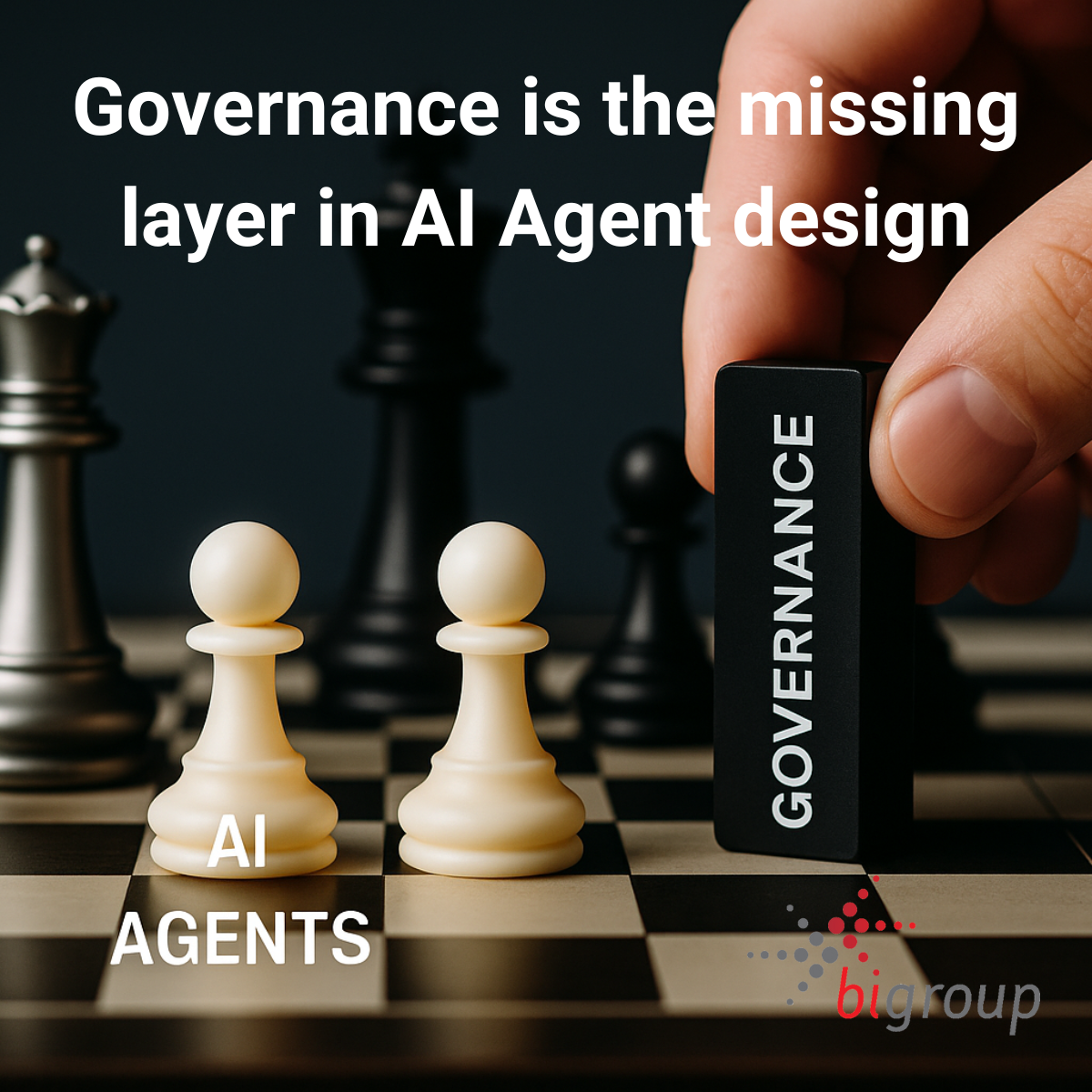
Governance is the missing layer in AI Agent design
The autonomy paradox Autonomous AI agents are no longer a speculative future, they’re already at work. From customer service bots that schedule appointments to internal copilots that automate documentation or code review, these systems are increasingly capable of making decisions and taking actions without any human intervention. This rise in autonomy brings clear benefits: speed,…
-
Agentic AI governance is now a business imperative
Enterprise AI has moved past assistants that wait for instructions. We are now dealing with systems that can pursue objectives independently, make decisions in real time, and act without being told. These are not chatbots or copilots. These are autonomous agents with the capacity to plan, adapt, and take initiative based on defined goals. In…
-
The 2025 Stanford AI Index
And its implications for the future of AI and society. Artificial Intelligence (AI) has become an integral part of our daily lives, transforming industries, societies, and economies at an unprecedented rate. The 2025 Stanford AI Index Report offers a comprehensive, data driven look at AI’s progress, impact, and challenges. However, beneath the surface of impressive…
-

MIT’s AI Agent Index: A Wake-Up Call for AI Governance?
The rise of agentic AI systems is reshaping the technological landscape. These AI models are capable of reasoning, planning, and executing complex tasks with minimal human oversight. Their integration into software engineering, robotics, and research opens new possibilities for automation, efficiency, and decision-making. However, these advancements also present serious challenges related to safety, transparency, and…
-

AI TRiSM: Trust, Risk, and Security Management in Artificial Intelligence
Artificial Intelligence (AI) is no longer a futuristic concept. It is embedded in nearly every aspect of modern business, from customer service chatbots to advanced predictive analytics and autonomous decision-making systems. However, with great power comes great responsibility. The rapid adoption of AI has raised significant concerns about security, trustworthiness, fairness, and compliance. Enter AI…
-
The UK Government’s AI Playbook: A Blueprint for Responsible AI Governance
Artificial Intelligence (AI) is reshaping industries, governance, and public service delivery across the world. As governments navigate the delicate balance between innovation and accountability, the UK has taken a significant step forward with its AI Playbook. This 118-page guide outlines ten foundational principles for AI adoption within government and public sector organisations, ensuring that AI…
-

Leveraging Compliance Data for Green Value Creation
Unlocking Green Value Creation and Future-Proofing Your Business Sustainability is no longer just a corporate social responsibility initiative, it is a strategic imperative for businesses seeking long-term resilience and profitability. As regulatory landscapes evolve and consumer demand for sustainable products grows, organisations must shift from viewing compliance as a regulatory burden to recognising it as…